
A Fresh Coat of Style: Your Ultimate Guide to Interior Painting
- Sarah

- Feb 19, 2025
- 4 min read
Updated: May 13, 2025
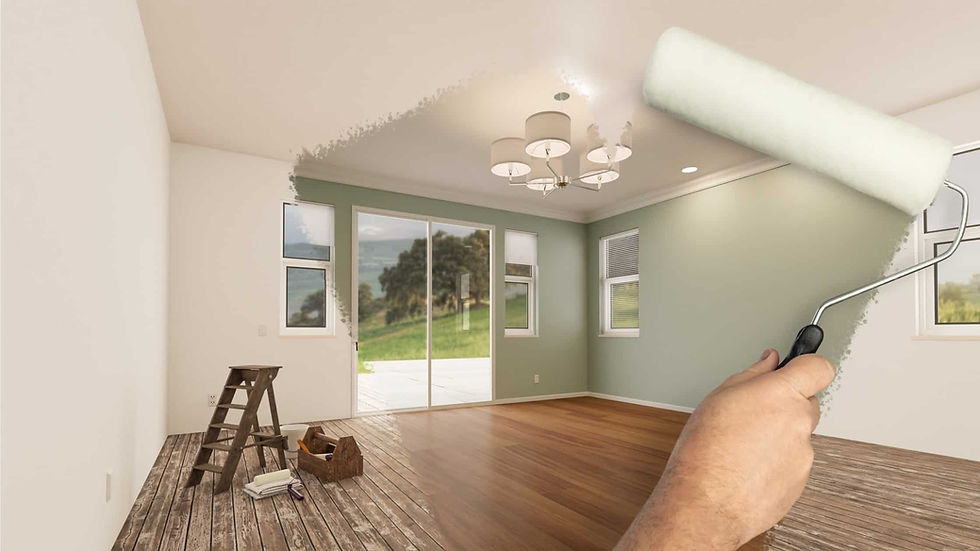
There’s something magical about a fresh coat of paint. It has the power to transform a dull, lifeless room into a vibrant, inviting space that reflects your personality and style. Whether you’re looking to refresh a single room or give your entire home a makeover, interior painting is one of the most cost-effective ways to breathe new life into your living spaces. But before you grab a brush and start splashing color on the walls, there are a few things you should know to ensure a smooth and successful painting project. Guide to Interior Painting
In this blog, we’ll walk you through everything you need to know about interior painting—from choosing the right colors and finishing to preparing your space and achieving professional-looking results.

Selecting the perfect paint color is the first and most exciting step in any interior painting project. The color you choose sets the tone for the entire room, so it’s important to take your time and consider your options carefully.
Tips for Choosing Paint Colors:
Consider the Mood: Different colors evoke different emotions. Warm tones like red, orange, and yellow create a cozy, energetic atmosphere, while cool tones like blue, green, and gray promote calmness and relaxation.
Think About Lighting: Natural and artificial lighting can significantly affect how a color looks in a room. Test paint samples on your walls and observe them at different times of the day to see how they change in various lighting conditions.
Coordinate with Décor: Choose a color that complements your furniture, artwork, and other décor elements. If you’re starting from scratch, consider selecting a neutral base color and adding pops of color through accessories.
Use Color Psychology: Certain colors can influence mood and behavior. For example, blue is known to promote productivity, making it a great choice for home offices, while soft greens are ideal for creating a serene bedroom environment. Guide to Interior Painting

The finish you choose can have a big impact on the look and durability of your paint job. Here’s a quick guide to the most common paint finishes:
Matte/Flat: Offers a non-reflective, smooth finish that hides imperfections well. Ideal for low-traffic areas like bedrooms and ceilings.
Eggshell: Has a slight sheen and is more durable than matte. Perfect for living rooms and dining rooms.
Satin: Provides a soft, velvety finish that’s easy to clean. Great for high-traffic areas like hallways, kitchens, and bathrooms.
Semi-Gloss: Offers a shiny, durable finish that’s resistant to moisture and stains. Ideal for trim, doors, and cabinets.
High-Gloss: Delivers a high-shine, ultra-durable finish. Best used for accent pieces and areas that need to withstand heavy wear.

Proper preparation is key to achieving a flawless paint job. Skipping this step can lead to uneven coverage, drips, and a less professional-looking finish.
Steps to Prepare Your Space:
Clear the Room: Remove furniture, décor, and other items from the room. If you can’t move everything out, group items in the center of the room and cover them with drop cloths.
Clean the Walls: Dust, dirt, and grease can prevent paint from adhering properly. Wash the walls with a mild detergent and water and let them dry completely.
Repair Imperfections: Fill holes, cracks, and dents with spackle, and sand the surface smooth. Sanding also helps create a better surface for the paint to adhere to.
Protect Floors and Trim: Lay down drop cloths to protect your floors, and use painter’s tape to mask off trim, windows, and other areas you don’t want to paint. Guide to interior Painting

Now that your space is prepped and ready, it’s time to start painting! Follow these tips to achieve a smooth, even finish:
Use Quality Tools: Invest in high-quality brushes, rollers, and paint to ensure better coverage and a more professional look.
Start with a Primer: Primer helps the paint adhere better and provides a uniform base for your color. It’s especially important when painting over dark colors or new drywall.
Cut In First: Use a brush to “cut in” around the edges of the walls, ceilings, and trim before rolling. This ensures clean lines and even coverage in hard-to-reach areas.
Roll in Sections: Work in small sections, using a roller to apply paint in a “W” or “M” pattern. This helps distribute the paint evenly and avoids streaks.
Apply Multiple Coats: Most paint jobs require at least two coats for full coverage. Allow each coat to dry completely before applying the next. Guide to interior painting

If you’re feeling adventurous, consider adding an accent wall or experimenting with creative painting techniques to make your space truly unique.
Ideas for Accent Walls and Creative Techniques:
Bold Colors: Choose a vibrant color for one wall to create a focal point in the room.
Textured Finishes: Use techniques like sponging, rag rolling, or stenciling to add texture and depth to your walls.
Geometric Patterns: Use painter’s tape to create geometric designs or stripes for a modern, artistic look.
Ombre Effect: Blend two or more shades of the same color to create a gradient effect.
Once your painting project is complete, it’s important to clean up properly and maintain your walls to keep them looking fresh and vibrant.
Tips for Cleaning Up and Maintenance:
Clean Your Tools: Wash brushes and rollers with soap and water (for water-based paint) or the appropriate solvent (for oil-based paint).
Store Leftover Paint: Keep leftover paint in a sealed container for future touch-ups.
Regular Cleaning: Dust your walls regularly and clean stains with a damp cloth to maintain their appearance.
Touch-Ups: Keep an eye out for scuffs or chips and touch them up as needed to keep your walls looking pristine. Guide to interior Painting
Conclusion
Interior painting is a rewarding project that can completely transform your home. By choosing the right colors, finishes, and techniques, you can create a space that reflects your style and enhances your daily life. Whether you’re a DIY enthusiast or planning to hire a professional, this guide will help you navigate the process with confidence. So, grab your paintbrush and get ready to unleash your creativity—your dream home is just a coat of paint away!


Comments